
In 2026, golf clubs aren’t just competing with the club down the road. They’re competing with every other way people can spend their free time. Padel, pickleball, indoor golf, boutique gyms, HYROX, and social fitness are booming. They are flexible, social, and designed around busy schedules.
Golf still has an unbeatable product. But modern members want more than a great course. They want to feel known, welcomed, and part of something. That’s why membership engagement is now a retention strategy, not a “nice to have”.
When engagement drops, cancellation becomes easy. Members don’t leave because they hate the course.
They leave because they don’t feel connected to the club. And when budgets tighten, connection is what protects renewal.
Onboarding is not just a welcome email and a bag tag. It’s a structured relationship-building plan.
It should start before the first round is played.
Communication should be short, useful, and consistent. Keep it going for at least 12 months, not 12 days.
New members often decide if they “belong” within the first few visits.
Most clubs lose members through silence, not service. Automation solves silence by making the basics happen every time. It also frees staff to focus on real conversations.
Start with an onboarding email sequence. Build a “first visit” follow-up, triggered after their first booking.
Create reminders for competitions, opens, and member events. Send birthday messages and renewal countdown emails automatically. Automate post-round feedback requests after member tee times.
Use a “haven’t played recently” check-in after 30 or 45 days inactive.
Automation should feel helpful, not robotic. Use a friendly tone and sign off as the club team. Add staff names, photos, and clear calls to action.
There isn’t one perfect number of touchpoints. Every member segment needs something slightly different. That’s where good data becomes a membership asset.
Aim for 2–4 meaningful touchpoints per month for most members. Some will want more, especially new and social members. Others will want fewer, especially traditional or time-poor players. Let behaviour guide frequency, not guesswork.
Track attendance, booking patterns, and event engagement. Then tailor your membership engagement plan by type.
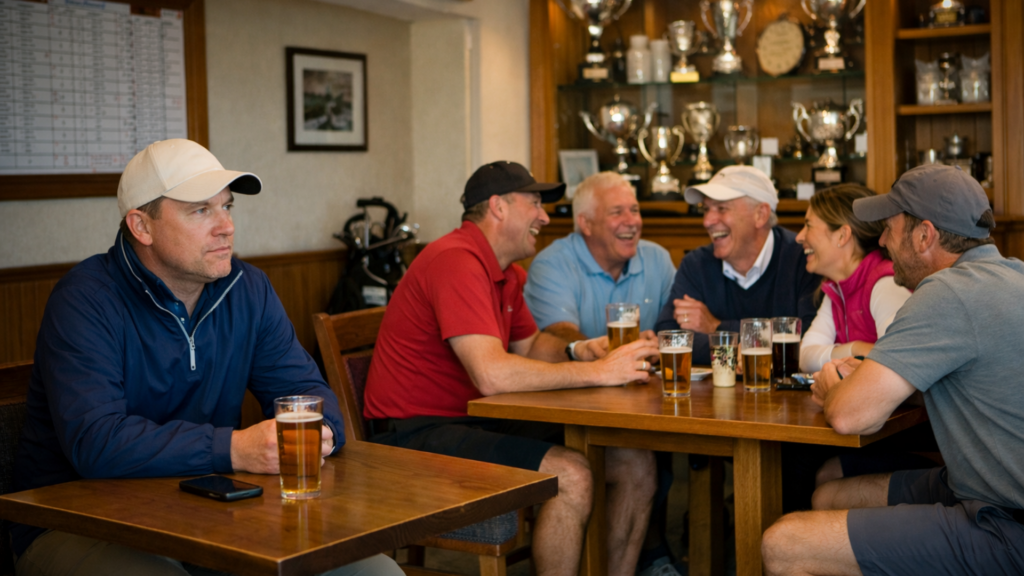
Community reduces churn because it builds friendship. Friendship creates commitment that price comparisons can’t break. It also shifts the membership value beyond “cost per round”.
Create spaces for members to meet naturally. Roll-ups, leagues, socials, WhatsApp groups, and mixed-format events work well. Host 9-hole evenings, winter challenges, and relaxed competitions. Promote volunteering, team formats, and newcomer-friendly meetups.
When members have friends at the club, they return more often. They also forgive the occasional bad weather day. Most importantly, they renew because the club feels like theirs.
In 2026, the clubs that win won’t just sell golf. They’ll deliver belonging through consistent membership engagement. And that relationship is the strongest defence against every new sport on the market.